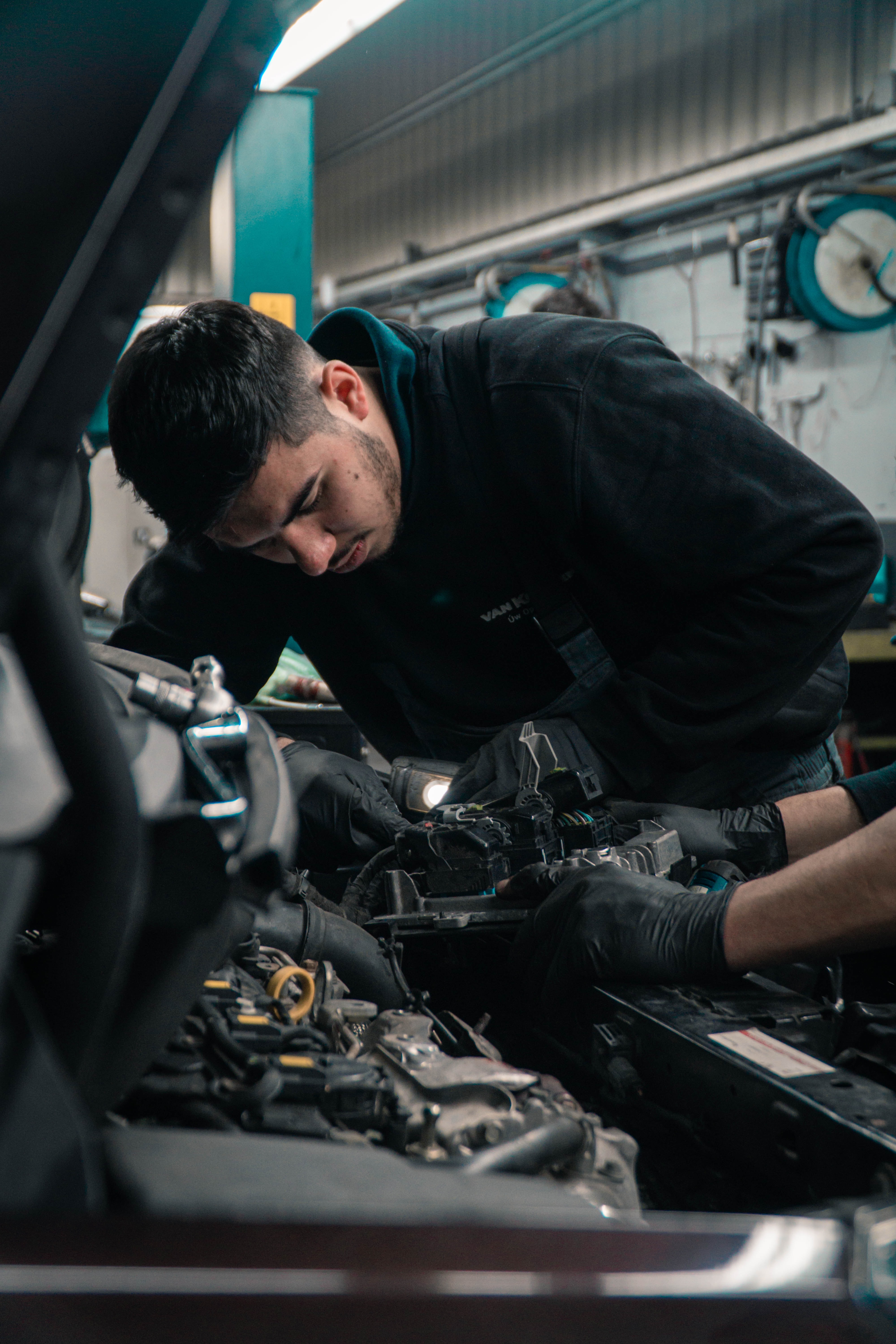
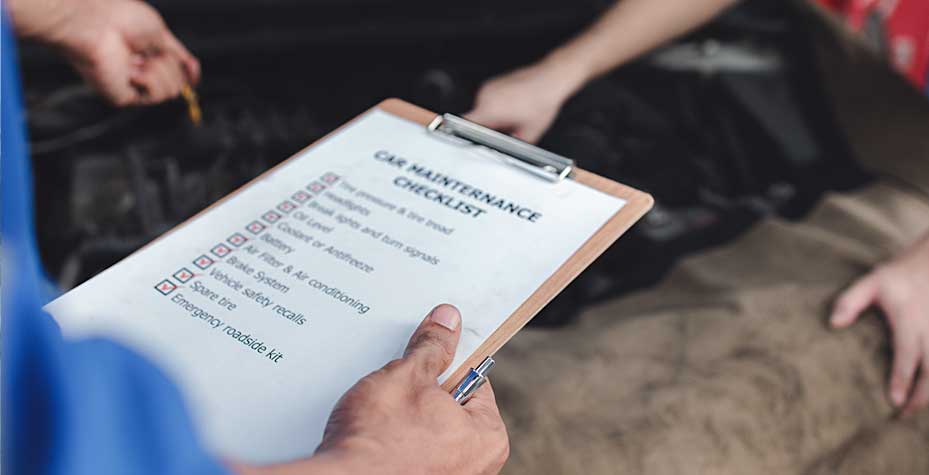
Following a vehicle maintenance schedule prevents expensive breakdowns before they happen.
With proper maintenance, today's vehicles can surpass 100,000 miles. Yet nearly half of all cars on the road are overdue for basic services.
Understanding your car maintenance schedule helps you budget appropriately and maintain your vehicle's value.
What is the Service Schedule for a Car?
A maintenance schedule for cars is your manufacturer's recommended list of services organized by mileage intervals. Most automakers follow a 30-60-90 pattern, with major services at 30,000, 60,000, and 90,000 miles.
Two schedule types exist:
- Standard use: Normal daily driving
- Severe use: Towing, ride-hailing, or dusty environments
CarShield's protection plans work alongside your scheduled maintenance to provide comprehensive coverage.
What is a Typical Maintenance Schedule for a Car?
Every vehicle maintenance schedule varies by make and model. Consult your owner's manual or our car maintenance checklist for guidance.
Every 5,000-10,000 Miles
Your car maintenance schedule should include these regular services:
Oil and filter changes : Synthetic oil lasts 5,000-10,000 milesTire rotation : Every 6,000-8,000 miles- Tire pressure and tread checks: Monthly inspections
Before 30,000 Miles
Air filter replacement (15,000-30,000 miles) maintains engine performance. Replace sooner in dusty conditions.
Fuel filter service may be needed around 30,000 miles. A pressure test determines necessity.
For low mileage vehicles, these preventive services maintain optimal performance.
Before 60,000 Miles
This maintenance schedule for cars covers critical components:
Battery service (50,000-60,000 miles):
- Test charge capacity
- Clean terminals.
Brake system maintenance:
- Fluid flush (every 20,000-45,000 miles)
- Pad replacement (up to 50,000 miles)
- Rotor service (around 60,000 miles)
Coolant replacement at 60,000 miles prevents overheating and engine damage.
Transmission fluid varies significantly. Manuals need service between 30,000-60,000 miles, while automatics can go 30,000-100,000+ miles.
Check the color of your transmission fluid. Pink is healthy, dark brown means trouble.
Regardless of what you do, your auto warranty becomes increasingly valuable as major systems require attention.
Before 90,000 Miles
Every maintenance schedule for cars addresses these long-term needs:
- Hose inspection: Replace worn rubber carrying coolant and fluids
- Power steering fluid: Flush around 75,000 miles
- Spark plugs: Iridium/titanium last 100,000 miles; copper needs replacement at 30,000 miles
Timing belt : Replace between 75,000-90,000 miles to prevent catastrophic damage
For high mileage vehicles, like those hitting or above 100,000 miles, staying ahead of these services is essential.
Protect Your Investment and Stay on Schedule
Your car maintenance schedule by mileage is your roadmap to reliability. Driving habits also matter since aggressive driving creates more wear than highway miles.
The benefits of following your maintenance schedule for cars are:
- Prevents major breakdowns
- Maintains fuel efficiency
- Preserves resale value
Keep detailed records and understand your vehicle owner benefits. When repairs arise, a vehicle service contract protects you from unexpected costs.
Following your car service schedule today prevents expensive problems tomorrow.
Ready to protect your investment? Contact us for a quote and discover how CarShield complements your scheduled car maintenance routine.